Fibermaxxing: Why Fibre Diversity Is the New Protein
"Fibermaxxing" has taken over wellness feeds, and for once the hype points somewhere useful. Most adults eat roughly half the fibre their gut needs — and the consequences show up as bloating, irregularity, blood-sugar swings and a less resilient microbiome.
It's not grams, it's variety
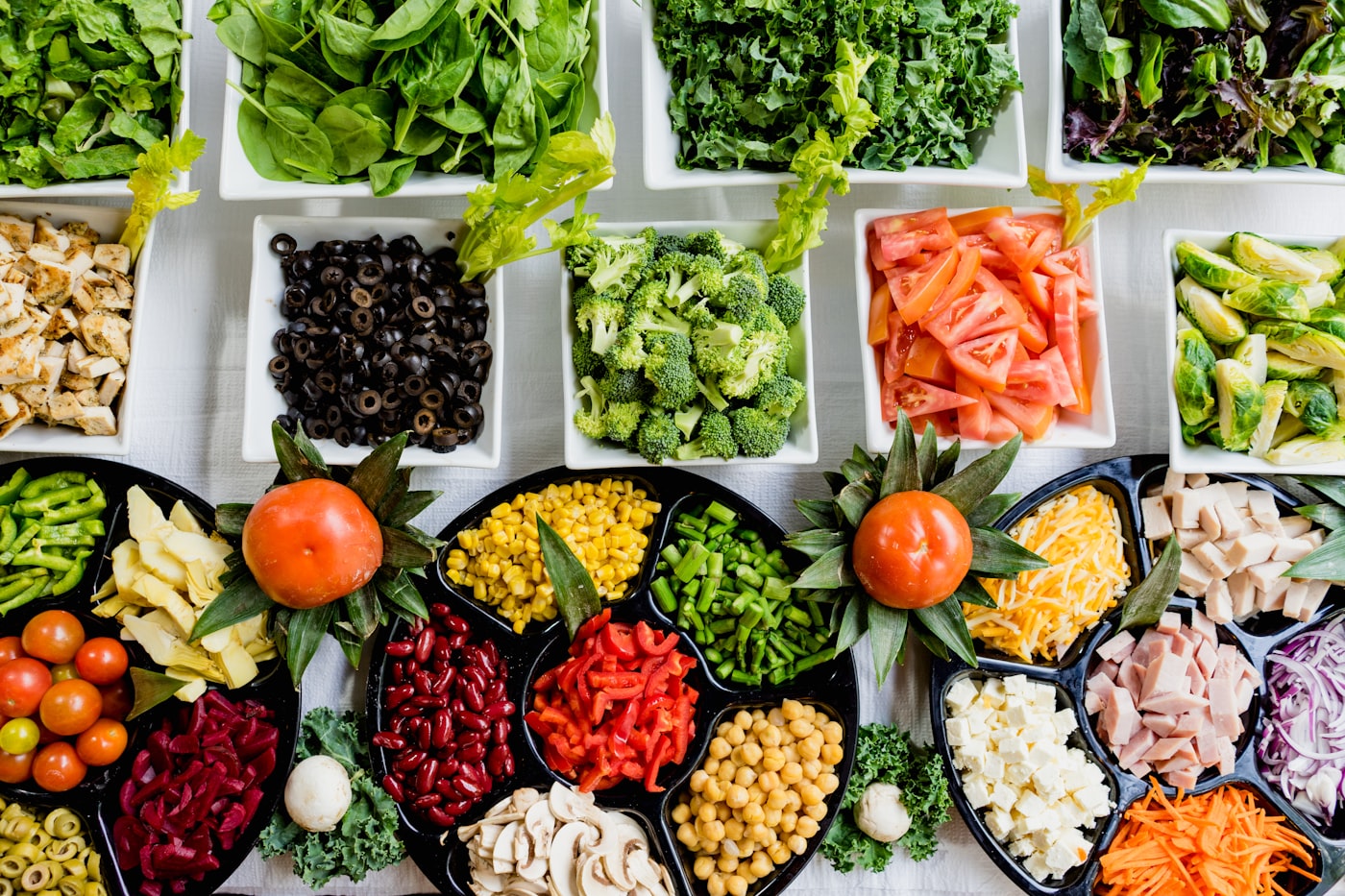
Different gut bacteria feed on different fibres. Chasing a single number misses the point; the goal is fibre diversity — aiming for 30+ different plant foods a week so a broad community of microbes can thrive and produce short-chain fatty acids that calm inflammation.
Where to find it
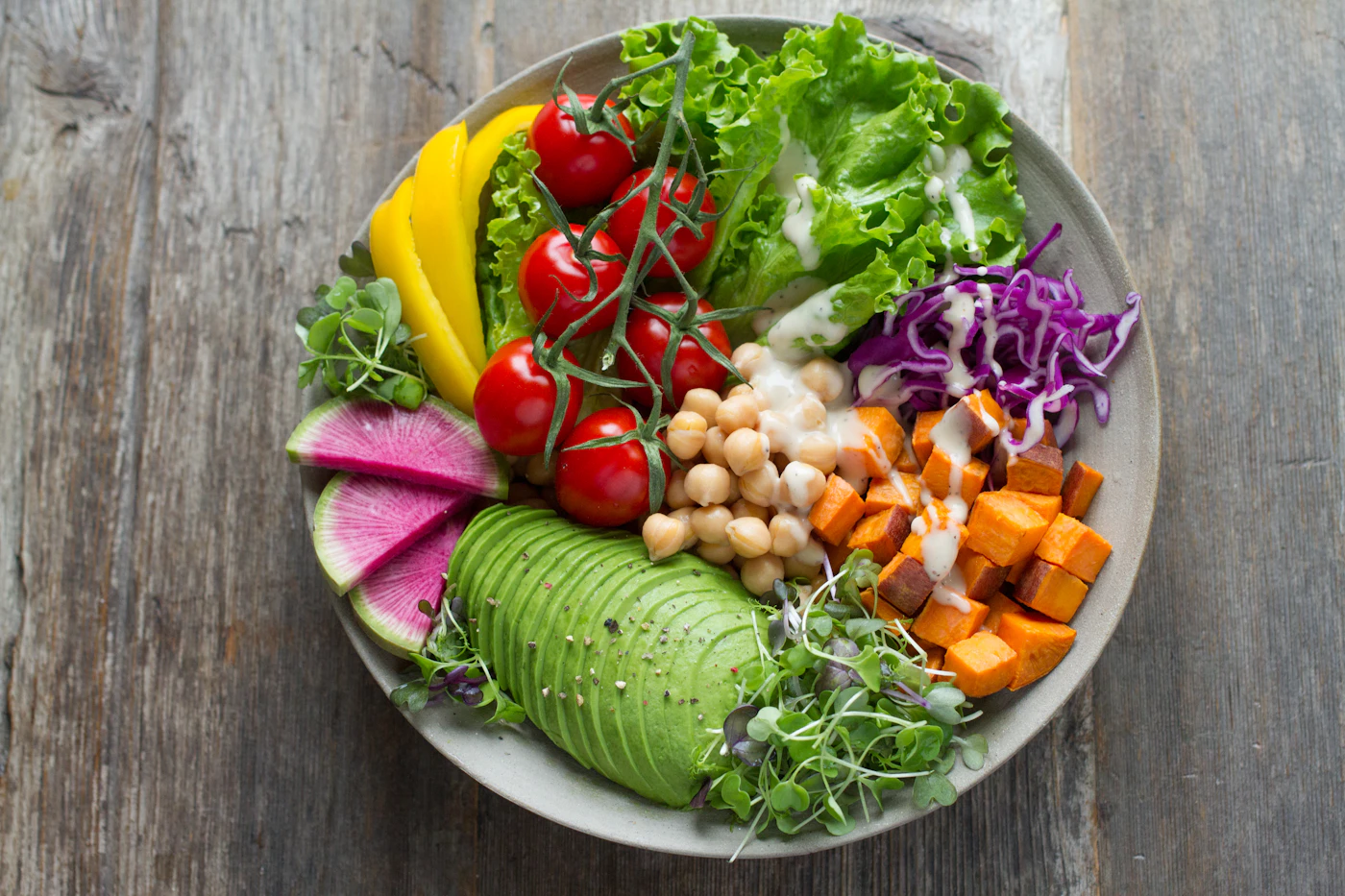
Legumes, whole grains, nuts, seeds, fruit skins and a rotating cast of vegetables all count. Indian kitchens are naturally fibre-rich — rajma, chana, millets, sabzi and fruit provide an excellent foundation when built intentionally.
Go slow if your gut is sensitive
For those with IBS or SIBO, ramping fibre too fast backfires. Increase gradually, hydrate well, and if symptoms flare, a structured low-FODMAP reintroduction is safer than guesswork.
The takeaway
Fibre diversity, introduced thoughtfully, may be the most underrated lever in modern nutrition — for digestion, metabolic health and even mood.
Have questions about your own gut health?
Book a Consultation